.png)
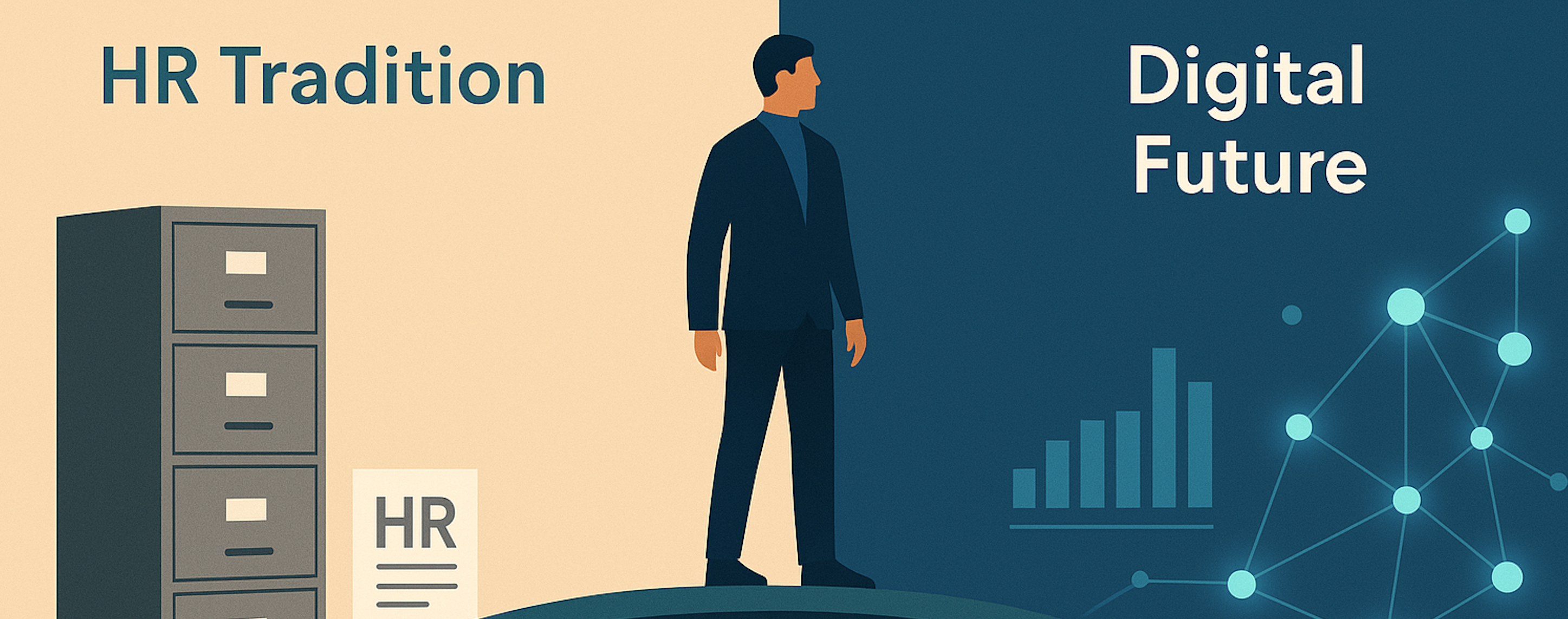
The role of the Chief Human Resources Officer has evolved from managing personnel policies to steering strategic workforce initiatives. The days of guiding people decisions without data are over. Today’s CHRO is expected to harness data, technology, and empathy to drive business outcomes.
Yet despite heavy investments in analytics and HR tech, many organizations still struggle to realize value from their people data. In fact, only 18% of CHROs say their organizations use data consistently to improve people decisions, while 74% admit their analytics capabilities remain basic reporting (Korn Ferry, Daisy Grewal). This gap presents both a challenge and an opportunity for forward-thinking CHROs.
From HR Leader to Strategic Business Partner
Modern CHROs are more than policy administrators; they are key strategic partners to the CEO and executive team. We spend the bulk of our time collaborating with senior stakeholders on issues like workforce transformation, culture, and the future of work. The CHRO’s remit now often extends beyond traditional HR to include organizational development, digital transformation, and technology implementation.
This elevation means CHROs must be commercially savvy and comfortable using data to inform decisions. By structuring people analytics teams around real business problems (rather than siloed reporting lines) and having the head of people analytics or Workforce Systems Leader report directly to the CHRO, HR leaders can embed data-driven insight into every strategic conversation. The goal is to ensure HR analytics is not just producing dashboards, but actively influencing core talent and business strategies.
Key tip: Identify your organization’s top business challenges, whether it’s improving talent acquisition, reducing turnover, or driving engagement in a hybrid work model, and task your HR analytics function with tackling those problems. Insist on cross-functional teams (mixing data experts with HR business partners) focused on outcomes, not just reports. This alignment transforms analytics from a back-office service into a strategy engine for the company.
Bridging HR and Technology
As workforce strategy increasingly intersects with technology, CHROs must forge a close partnership with the CIO and tech teams. In some leading companies, HR and IT are now linked under joint leadership to ensure people data and systems are fully integrated. The reason is clear: 68% of companies still operate disconnected HR systems, leading to inefficiencies, frustrated employees, and limited insight (Ignite HCM). A CHRO cannot afford to ignore this fragmentation.
When HR systems (like recruiting, core HRIS, learning, and payroll) don’t talk to each other, basic tasks become slow and error-prone, and strategic visibility suffers. CHROs should champion an integrated HR technology ecosystem, one that provides a unified employee experience and a single source of truth for workforce data.
Integrated systems not only cut administrative workload and errors, they also yield better insights. For example, organizations with unified HR data can analyze how recruitment sources relate to performance or retention, or identify skill gaps across the workforce. Partner with your CTO or HRIT leaders to develop a roadmap that breaks down these silos. The payoff is significant: companies that integrate their HR tech see dramatically faster hiring times, lower costs, and higher employee satisfaction.
Key tip: Conduct an audit of your current HR software stack. How many different applications does your HR team use, and where are the data bottlenecks? It’s not uncommon for HR teams to rely on a dozen or more separate tools. Use that audit to build the business case for integration, quantify the time HR spends exporting/importing data or correcting errors from disconnected systems, and highlight the impact on employee experience. This will help secure leadership buy-in and budget for integration projects.
Embracing Data Ethics and AI (with Caution)
With the great power of data comes great responsibility. CHROs sit at the nexus of sensitive employee information, and we are the stewards of privacy, fairness, and transparency in how that data is used. As advanced analytics and AI enter the HR arena, from AI-driven recruiting tools to predictive models identifying flight-risk employees, CHROs must ensure these technologies are applied ethically. This means developing clear policies for people analytics and AI in HR. As CHRO, spearhead the creation of guidelines that address questions like: What data is acceptable to use in algorithms? How do we mitigate bias in AI recommendations? Who owns the employee data when using third-party platforms?
Privacy is another area where CHROs must lead. Employees and regulators rightfully expect strict safeguards on personal data. One lesson I’ve learned is to bake in privacy and compliance early. In practice, that means involving legal/privacy officers in the planning stage, being transparent with employees about data use, and ensuring vendor contracts allow you appropriate access to and ownership of your own HR data. Nothing is worse than discovering after implementation that a vendor claims ownership of critical data.
At the same time, CHROs must educate and communicate with the workforce about how data and AI are being used. Building trust is paramount. Reinforce the human side of every tech initiative: emphasize that AI and analytics are there to augment decision-making and improve employee experience, not to replace human judgment.
Key tip: Before signing any new HR tech contract, involve your legal and privacy teams to review the data clauses. Specifically, confirm that you own your employee data, understand the vendor's data usage rights, and have clear terms for data extraction if you terminate the relationship. This single step can prevent massive downstream legal and operational headaches.
Championing Employee Experience and Voice
While data and tech are transformative, the CHRO must never lose sight of the people at the center. One of our most important roles is championing an excellent employee experience and ensuring employee voices are heard. In practice, this means leading efforts to create a "consumer-grade" experience for employees at work. Today’s workforce expects interacting with HR to be as easy as using their favorite app. If your company’s HR processes feel like navigating a maze of different logins and forms, it’s time to reimagine the design. A smooth, personalized HR experience isn’t just a nicety; it drives engagement and productivity.
Equally vital is amplifying the employee voice. Many companies conduct annual engagement surveys, but a truly listening organization goes further; implementing continuous listening through pulse surveys, focus groups, and feedback apps. Ensure that your People Analytics or employee listening team isn’t operating in a silo; their insights should be integrated with other business metrics. And when employees speak, commit to acting on that feedback. One of the quickest ways to erode trust is to ask for opinions and then do nothing. Close the loop by sharing back what was learned and what actions will result.
Key tip: Implement a "You Spoke, We Listened" program. After any major listening initiative (like an engagement survey), immediately communicate back to the entire organization: 1) One or two key themes you heard, and 2) One specific, time-bound action leadership will take in response. Closing this feedback loop is the single most effective way to build trust and prove that employee voices matter.
The CHRO as Culture and Change Steward
The CHRO is the guardian of culture during times of transformation. Whether your company is implementing AI, reorganizing, or driving a DEI initiative, it’s often HR that must translate these changes in ways the workforce can understand and embrace. Lean into this responsibility. Use data to pinpoint where change management efforts are needed (for example, if engagement dips in a certain department after a tech rollout, investigate and intervene). Be the ethical compass when tough decisions arise, ensuring that even as we push for innovation and results, we never lose empathy for employees as human beings with real concerns.
Key tip: For any major transformation (especially AI or reorganization), build a proactive change management and communication plan. Partner with your communications team to create a clear narrative before launch. Focus on why the change is happening and how it will augment and support employees, not just how it benefits the bottom line.
Conclusion
In summary, today’s CHROs stand at the intersection of people and technology. By leveraging data smartly, integrating efforts with IT, upholding ethics and trust, and championing the employee perspective, we can transform HR into a powerhouse of strategic value. The journey isn’t easy, I’ve faced my share of resistance and learned from missteps, but it is immensely rewarding. When HR leads with evidence-based insight and genuine care for people, the entire organization benefits.
If you’re a CHRO (or aspiring HR leader) reading this and these challenges resonate or perhaps your organization is swimming in data but struggling to find insights / modernize HR systems, but face headwinds, you don’t have to navigate it alone. At Ikona, we specialize in partnering with HR leaders to bridge the gap between people strategy and technology. Let’s connect to discuss how we can help you unlock the full potential of your people data, build trust with your workforce, and ultimately drive the business forward. Your HR function’s next evolution could be one conversation away, and we’re excited to be a part of that journey.